
Golf is one of those games that can be as simple or as complicated as you make it. When I first picked up a club, I remember that mix of excitement and confusion. There were so many clubs, strange terms, and a ton of etiquette rules. Getting started the right way makes a big difference, and understanding the basics helps you have way more fun out on the course. I’ll break down what you really need to know, what gear to get, and some easy tips for getting your game going, whether you’re playing just for fun or looking to improve bit by bit.
Golf Basics: How the Game Works
Golf isn’t just about whacking a ball around a field. Though I’ll admit, at first, it felt like that for me. The main point of golf is to get your ball from the starting point (the tee) into a tiny hole (the cup) using as few swings as possible. Courses usually have 18 holes, and each comes with its own challenges. Your score is just the number of swings it takes to finish all 18 holes, with lower numbers being better.
You’ll come across terms like “par,” which is the number of strokes a skilled golfer is expected to make on a hole. If you finish a hole in fewer swings than par, that’s always worth a little celebration. If it’s more, don’t sweat it! Every golfer’s been there more than a few times.
The social aspect of golf is a big deal, too. Many people find lifelong friends at their local course, and friendly competition adds a nice spark to the game. Even if you only play a few holes, the time outdoors and gentle exercise are major perks.
Essential Golf Gear for Beginners
When I started, the amount of gear confused me way more than the game rules. The good news is, you really don’t need to spend a fortune to get started. Here are the basics you’ll want to have:
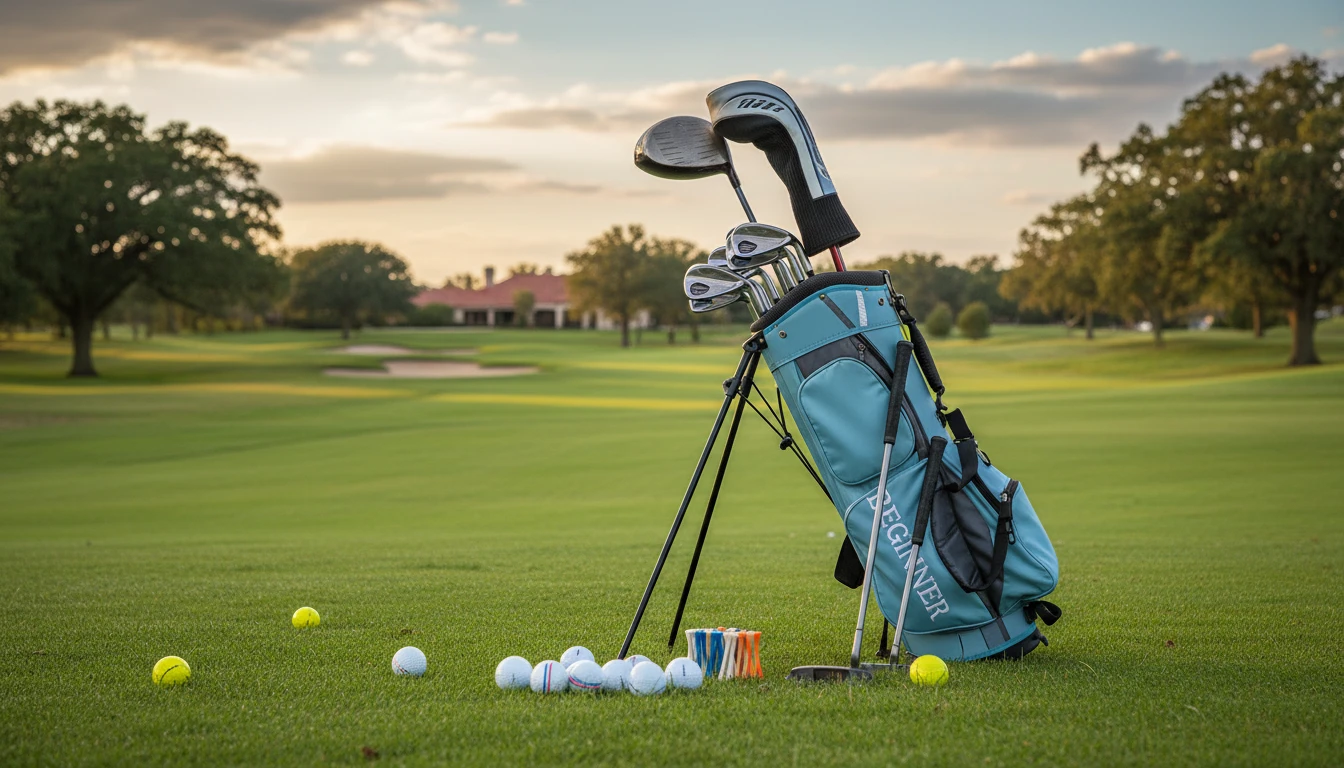
- Clubs: Most beginners can get by with a half set; usually a driver, a couple of irons (like a 7 and 9 iron), a pitching wedge, and a putter. You don’t need a fancy full set right away.
- Balls and Tees: Go for budgetfriendly balls at the start. You’ll probably lose a few out there, so stock up on extras without breaking the bank.
- Bag: A lightweight carry bag is plenty for walking nine or eighteen holes. Some even come with handy stands or extra pockets.
- Golf Glove: This helps you grip the club better and cuts down on blisters, especially on hot or wet days. It should fit snug, almost like a second skin.
- Comfortable Shoes: Golf shoes with soft spikes give great grip, there are also many great spikeless golf shoes that are made and are really comfortable with great grip.
Many courses have dress codes, so check before you show up. Think collared shirts and no ripped jeans. A hat and sunscreen are also good choices since you’ll be outside for several hours. Remember going forward, every great round begins in the closet.
Golf Terms and Lingo Worth Knowing
The language of golf can sound odd at first, but you’ll pick it up quickly. Here are a few words you’ll hear a lot:
- Fairway: The neatly trimmed grass area between the tee box and the green.
- Green: The ultrasmooth grass where you’ll finish the hole with your putter.
- Hazard: Any area that adds challenge, such as sand bunkers, water, or tall grass.
- Birdie: Finishing the hole one stroke under par.
- Bogey: Finishing one over par. No shame in that, especially when starting.
- Mulligan: An unofficial “do-over,” usually when you’re playing casually with friends.
Quickly learning these basics makes it way easier to follow instructors, watch games, or play with others. Other terms like “eagle” (two under par) or “double bogey” (two over par) will pop up more as you play, and soon you’ll be using them without even thinking.
Easy Steps to Start Playing Golf
Getting started can seem tricky, but breaking it down into steps keeps things clear. Here’s what worked for me:
- Visit a Driving Range: Before hitting a course, practice swinging and hitting balls at a range. No pressure, just get a feel for the clubs and focus on making solid contact with the ball.
- Take a Starter Lesson: Even one session with a golf pro can save you a world of frustration and help you avoid bad habits from the start. Many courses offer group clinics for beginners that are fun and affordable.
- Practice Short Game: Spend as much time practicing putting and chipping as you do with the big swings. Most shots in golf are shorter ones, and shaving off a few strokes around the green feels great.
- Book a Tee Time for 9 Holes: Jumping into a full 18 can be a lot, so playing a shorter round is more relaxed for new golfers. This way, you can learn the flow of the course and not feel rushed.
- Keep Score, But Don’t Obsess: Tracking your swings helps see progress, but having fun matters way more in the early days. Focusing too much on numbers can pull you out of the moment.
Mixing practice with real course play speeds up learning and keeps motivation high. Try finding a “par three” course, which is shorter and easier for beginners.
What to Consider Before Buying Your First Golf Clubs
Club shopping isn’t just about the latest tech or flashy brands. There are a few things that really help when choosing your first set:
- Budget: Save money by buying used clubs and upgrading as you improve. There are lots of solid beginner sets out there, and you might find good deals at secondhand shops or during sales.
- Club Fit: Clubs should match your height and arm length. Most stores offer basic fitting services for free, so it’s worth checking out. Having the right length can make swinging feel more natural and help your accuracy.
- Forgiveness: Look for clubs described as “game improvement” or “cavity back.” These are designed to make it easier to hit straight shots, even on mishits. They have larger clubfaces and are weighted to help beginners out.
- Weight and Grip: Lighter clubs and comfortable grips make a world of difference for those still mastering their swing. The right grips help you hold the club well without squeezing too hard.
Asking store staff for suggestions or even bringing a friend who plays golf helps a ton. Checking reviews online and reading what other beginners liked or didn’t like is also pretty handy.
Why Club Type Matters
New players do best with clubs that don’t punish little mistakes. Larger club heads and flexible shafts help you get the ball in the air. As you play more, you’ll get a feel for what types you prefer, and upgrading won’t feel nearly as confusing.
Try Before You Buy
Many shops, especially pro shops at courses, let you hit a few balls with demo clubs. Trying out different brands helps you pick what feels most natural in your hands. Don’t be afraid to take your time testing and asking questions before buying. Make sure the clubs you choose feels good in your hands. I personally am a “feel” player and that aspect is important to me.
Common Golf Challenges and How to Tackle Them
It’s totally normal to hit some bumps early on. These gave me the most trouble and here’s how I handle them now:
- Slicing the Ball: This is when the ball flies off to the right (for righties). Fixing grip and checking your stance usually helps. Slow down your swing and focus on keeping the clubface square at impact.
- Finding Lost Balls: Even the pros lose balls. Stick with beginnerfriendly courses, and always keep an eye on where your shot lands—and learn to watch your ball through the air until it lands.
- Pace of Play: Bottlenecking the course is rough for everyone. If you’re falling behind, wave faster groups through and keep up by playing “ready golf.” Don’t take too long between shots and try to be set when it’s your turn.
- Course Etiquette: Replace divots, don’t talk during someone’s swing, and be ready when it’s your turn. Being polite goes a long way. Silence cell phones and offer a cheerful “good shot” when someone hits a good one nearby.
Slicing Fixes
Tweaking your grip and slowing down your backswing reduce a lot of those wild, rightward shots. Watching a couple of quick tutorials online helps, but nothing beats a tip from an inperson instructor. Remember, a relaxed grip and balanced stance are key.
Lost Ball Rules
There are some casual rules if you lose a ball. Most casual rounds let you drop a ball nearby with a one-stroke penalty. Always double check what’s okay for the course or group you’re playing with. If you’re unsure, ask other players or the staff beforehand.
Beginnerfriendly Tips For Improving Your Game
Getting better doesn’t have to mean daily lessons or expensive gear. Some of my fastest improvements came from little tips and practice routines. Here’s a few that are super useful:
Focus on Grip and Stance: The basics make the biggest impact. A neutral grip and steady stance help with every club in the bag. Try practicing your setup at home in front of a mirror to gain confidence.
Start Short, Finish Long: Work from putting to chipping and finally to the big drives. Most strokes happen within 50 yards of the hole, so mastering the short game really saves shots quickly.
Watch and Learn: Watching pro tournaments and YouTube lessons helps you pick up on techniques in a really practical way. Pay attention to swing tempo and course management.
Play With Other Beginners: A friendly, nopressure game with pals who are learning too makes the whole thing less intimidating. Challenge each other with little games, like who can get closest to the hole.
Enjoy the Scenery and Stay Patient: Courses almost always have awesome views, and a positive attitude works wonders. Everyone has rough days, even Tiger Woods. Take breaks, hydrate, and remember why you’re out there—to have fun.
Another great tip is to keep a simple golf journal, writing down what went well or what club you liked most after each round. Reflection helps you spot patterns and keeps motivation up.
RealWorld Golf Scenarios
To paint a clearer picture, here’s what starting golf might look like in real life:
- First Lesson: You meet a golf coach who shows you how to grip the club and swing without worrying about where the ball goes. The nerves settle, and you get a few good hits. Confidence builds fast when you focus on basics.
- First Round: You and a friend play nine holes, lose a few balls, and spend more time laughing than staring at the scorecard. Finishing every hole feels like a win, and you slowly get the feel for how golf should flow.
- Practice Session: You spend an afternoon just putting, mixing up distances and aiming for different targets. Suddenly, threeputting feels a lot less common. You start to read greens a little better and sink a few long ones, giving a real boost to your confidence.
Another common scenario is a family outing at a par three course or mini golf. While it’s less formal, these rounds teach basic swings and etiquette that translate to bigger courses, all while keeping things fun and relaxed.
Frequently Asked Questions
Question: Do I need lessons to start playing golf?
Answer: Lessons make things easier, but you can start with YouTube tutorials, friends’ advice, or free clinics at local courses. Even just one pro lesson sets you up with solid fundamentals, which helps you avoid tough-to-break bad habits down the road.
Question: What’s the easiest way to track my progress?
Answer: Using a scorecard to count swings is classic, but golf apps on your smartphone are pretty handy for recording scores, distances, and tips. Some even let you compare your rounds and see trends over time.
Question: Are there rules for what to wear on a golf course?
Answer: Most courses ask players to wear collared shirts, golf shoes, and proper shorts or pants. Double check online before you go, since some private courses have stricter rules. Lightweight, moisturewicking clothing helps you stay cool as you play through the day.
Helpful Resources to Keep Learning
Golf has a huge community and lots of free resources online. Sites like the PGA Beginner’s Guide and beginnerfocused YouTube channels are really helpful. Checking out books from the library and talking to fellow golfers at the course are easy, lowpressure ways to keep building your skills. Local pro shops or community recreation departments often have bulletin boards with lessons and group play options, providing more chances to meet other new golfers.
Ready to give it a shot? Keep it light, stay patient, and enjoy the process. Early days might be bumpy, but that first solid drive or long putt makes it all worth it. Remember, golf’s an adventure that rewards persistence and patience—so swing easy, smile often, and let yourself stumble upon all the little victories along the way.